
When perusing a map of Africa, the countries alone can be confusing, but even when you’ve chosen your country, how on earth do you know which part of it to visit? Most visitors to Botswana travel there because it’s the pinnacle of safari experiences. Those sitting around campfires elsewhere in Africa often speak of their dream to visit and it’s widely revered as the most exclusive safari destination with the greatest biomass of animals in the whole of Africa. If you’ve decided that Botswana is the destination for you though, you’ll need a handle on which parts you’d like to visit.
Fortunately for our intrepid travellers, we’ve done the hard work for you and positioned our lodges in the best areas for wildlife and overall experience.
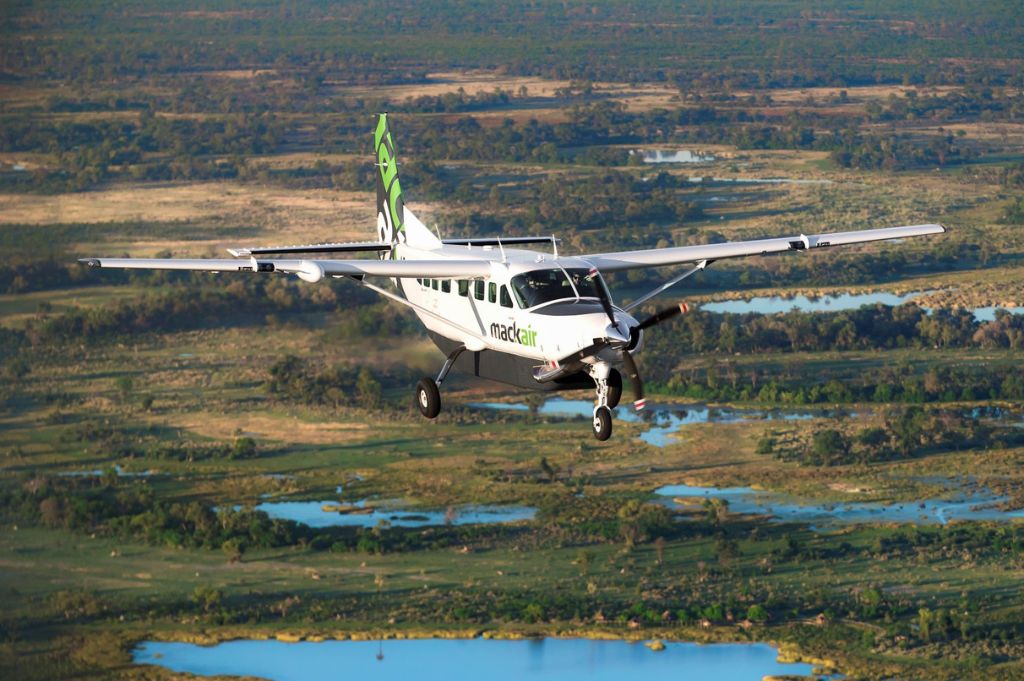
Botswana sits centrally towards the foot of Africa and covers a fair portion of it. An impressive 38% of the country is dedicated to national parks, reserves and wildlife areas, and that’s where the safari story starts. The wildlife action that Botswana is famous for happens in areas so remote that it takes bush planes to reach them and the runways must first be cleared of zebra and giraffe. The gateway to this wild wonderland is the safari town of Maun, a dusty little outpost that feels satisfyingly far from normal life.
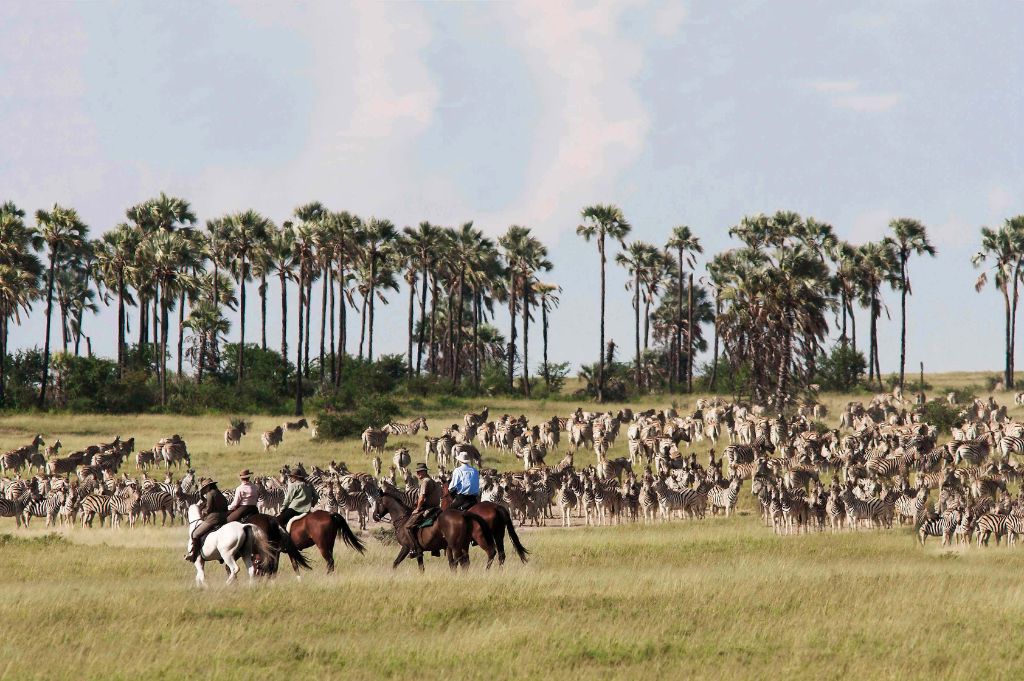
From Maun most guests head first to the Makgadikgadi. This desert area is only semi-arid and has more to offer its inhabitants than one might initially imagine from a feature within the Kalahari desert. The Makgadikgadi was once a superlake that cloaked much of Southern Africa and is now a network of salt pans. Here you have the chance to find species you won’t see in the wetter areas, such as springbok, oryx, brown hyena and the monumentally charismatic meerkat.
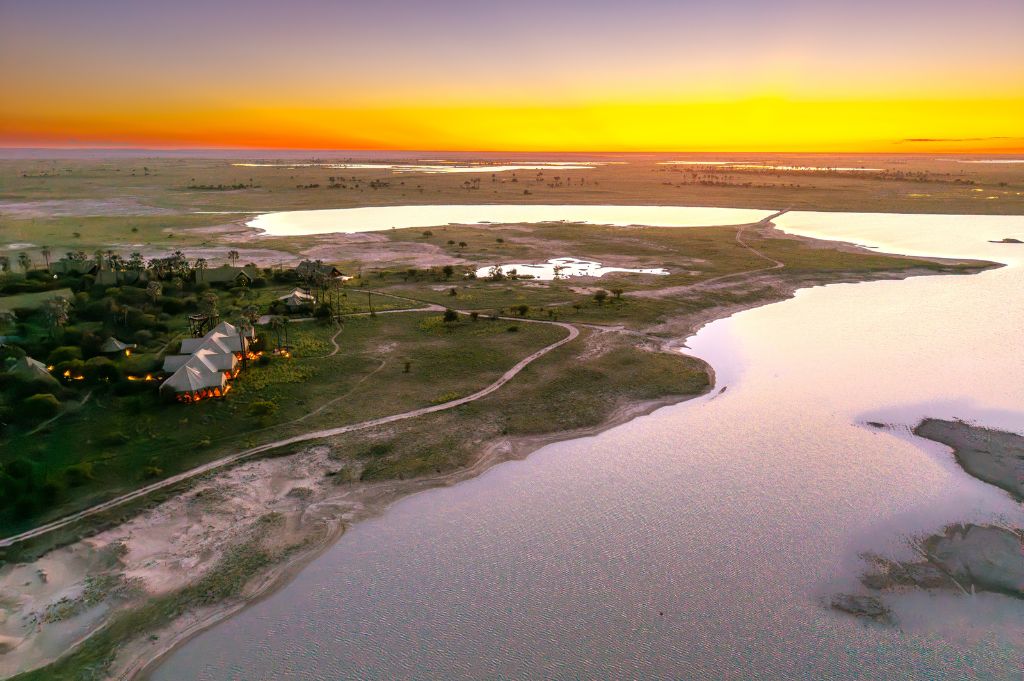
The area is vast which only bolsters its otherworldly appeal, and this feeling of being the only souls in a land where time stands still is further enhanced by how few lodges there are here. We operate just four in the private reserve adjacent to the Makgadikgadi National Park. The most opulent of these are the perennially Instagrammable Jack’s Camp and Jack’s Private Camp, which sit a little distance from the romantic minimalism of San Camp. For families after laid-back adventure meanwhile, there’s Camp Kalahari which exudes relaxed safari style. On the fringes of the national park is Meno a Kwena, which sits on a clifftop above the Boteti River.
Incorporating the Makgadikgadi into your stay adds engagement with the Zu/’hoansi bushmen and women, desert landscapes and unusual creatures that are harder to find elsewhere. Having soaked up all the desert has to offer, it’s time to move on to the jewel in Botswana’s crown – the Okavango Delta.
This UNESCO World Heritage Site is widely considered Botswana’s premier wildlife viewing destination and one of the world’s best safari destinations, with good reason. There are few signs of humanity out here, only nature carrying on just as it would had humans never existed. The iconic wetland is home to an impressive diversity of wildlife, with up to 50 species routinely seen on a single game drive, while private concessions allow for uncrowded, unforgettable game viewing with some of the best birdwatching on the planet.
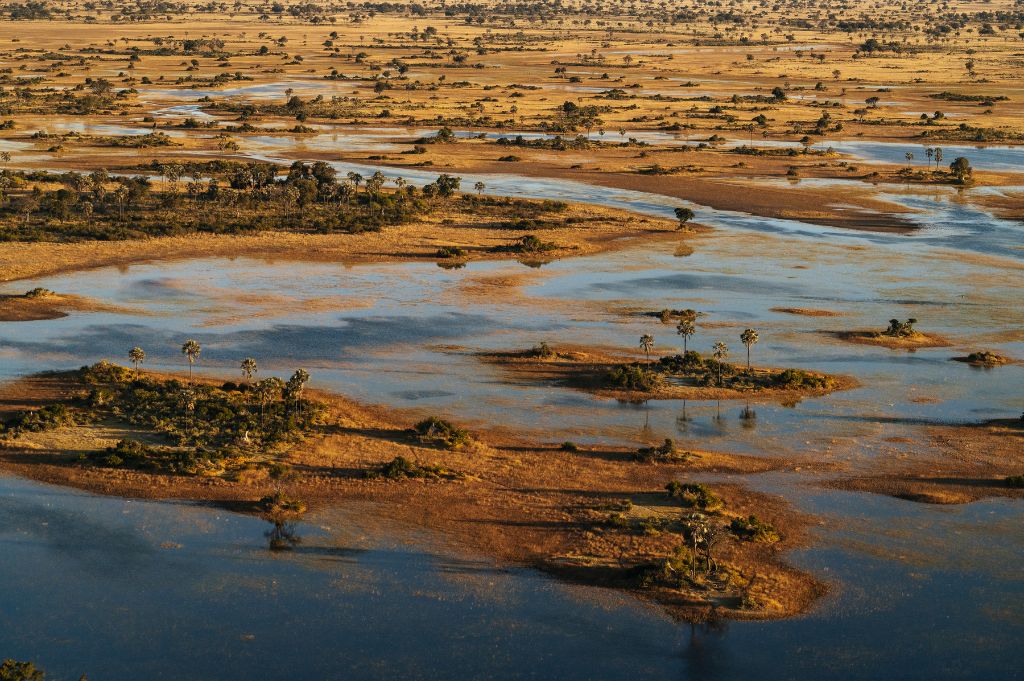
The Okavango is the world’s largest inland delta, sprawling up to 22,000 square kilometres. The area floods seasonally, fed by the Angolan highlands during the dry winter months, enabling water activities such as boat and mokoro rides. The ecosystem comprises permanent swamps, seasonal floodplains and wooded islands, providing habitats for a diverse wealth of wildlife including elephant, lion, leopard, African wild dog, zebra and many more.
Our lodges cover a range of areas through the delta, allowing you to combine the different regions.
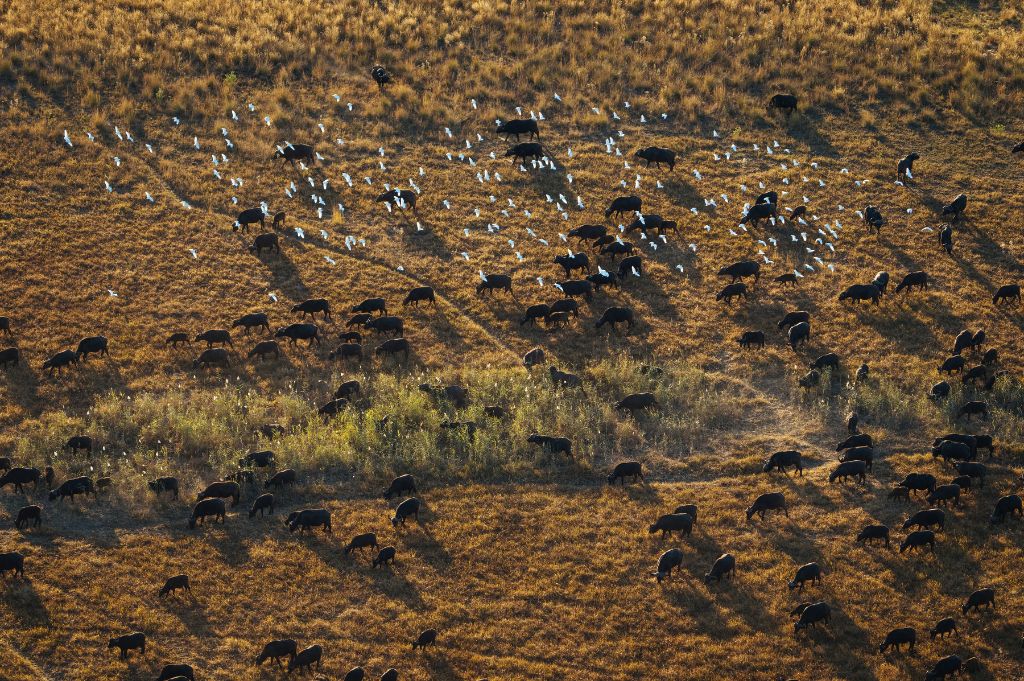
Northwest Okavango
In the northwest Okavango, in concessions known as NG12 and NG23A you’ll find Duke’s Camp, Duke’s East, North Island Okavango, Expeditions Camp and Mbamba. Here, we’re up at the top of the Delta where there tends to be water through most of the year and the camps have access to the Okavango’s biggest and deepest waters. This area is where the flood hits first and where guests have the broadest chance of water activities such as boating, mokoros and fishing. With the highest concentration of lions in the Okavango, there should be plenty to see from these channels. But it’s not just lions, the diversity of landscapes produces epic wildlife encounters including elephants, leopards, buffalo and more than 400 bird species. Duke’s Camp and Duke’s East bring the widely loved Uncharted Africa aesthetic to the area – offering luxury beneath canvas across the two lodges. Expeditions Camp is a fellow member of the Uncharted Africa family and it strips back the layers of luxury to the original safari experience enjoyed from semi-permanent Meru style tents. Finally, North Island Okavango sits on a private island, designed around comfort, luxury, and of course, the wildlife around it.
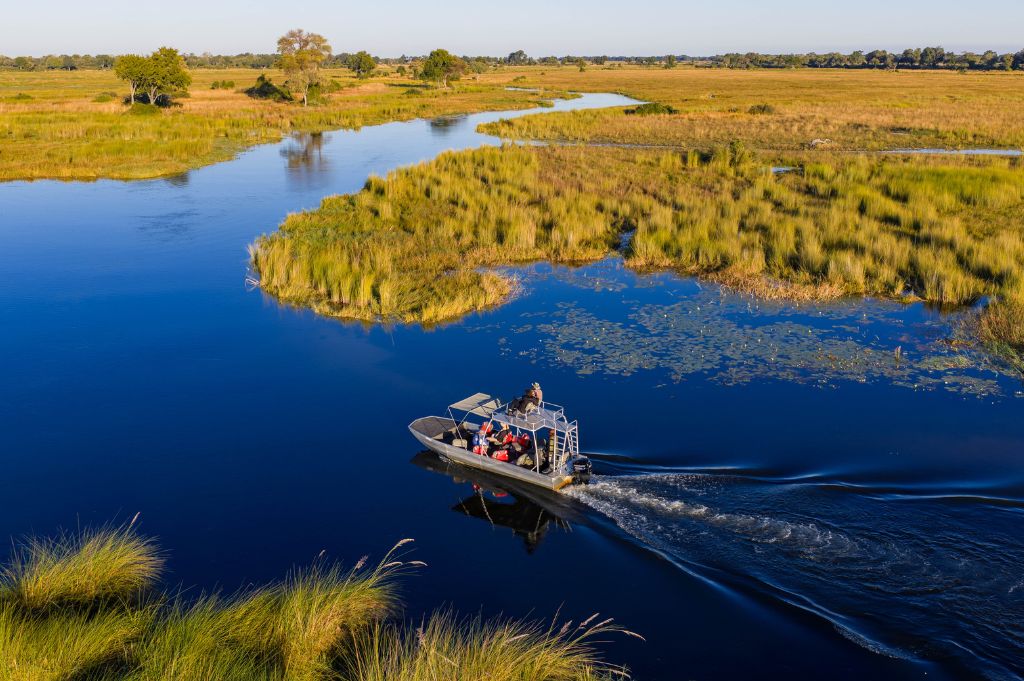
Khwai Private Reserve
Over to the east sits Khwai Private Reserve (KPR), within which Tuludi, Sable Alley, Little Sable, Skybeds and Elephant Pan sit. This land wins on diversity. To the north of the reserve are forests that host rarer species such as sable and roan antelope – they’re forced down to the river as waterholes inevitably dry up. The reserve also places great value on its partnerships with the local communities, inviting guests to visit nearby Khwai village and engage in conversations about contemporary African life and culture. ‘Out of the vehicle’ activities on offer here include a three day walking safari, underground hides and the opportunity to join rangers on their patrols. Tuludi offers the most refined safari setting here, followed by bright and beautiful Sable Alley. On a smaller scale, with just eight rooms, is the intimate and chic Little Sable, designed around the sable antelope found in the region. Elephant Pan meanwhile is a more rustic offering, known for its close proximity to the elephants who come to quench their thirst in front of the camp. Guests staying at one of the KPR camps are also able to head out to the three-storey Skybeds platforms for a night beneath the stars and alongside one of the reserve’s productive waterholes.
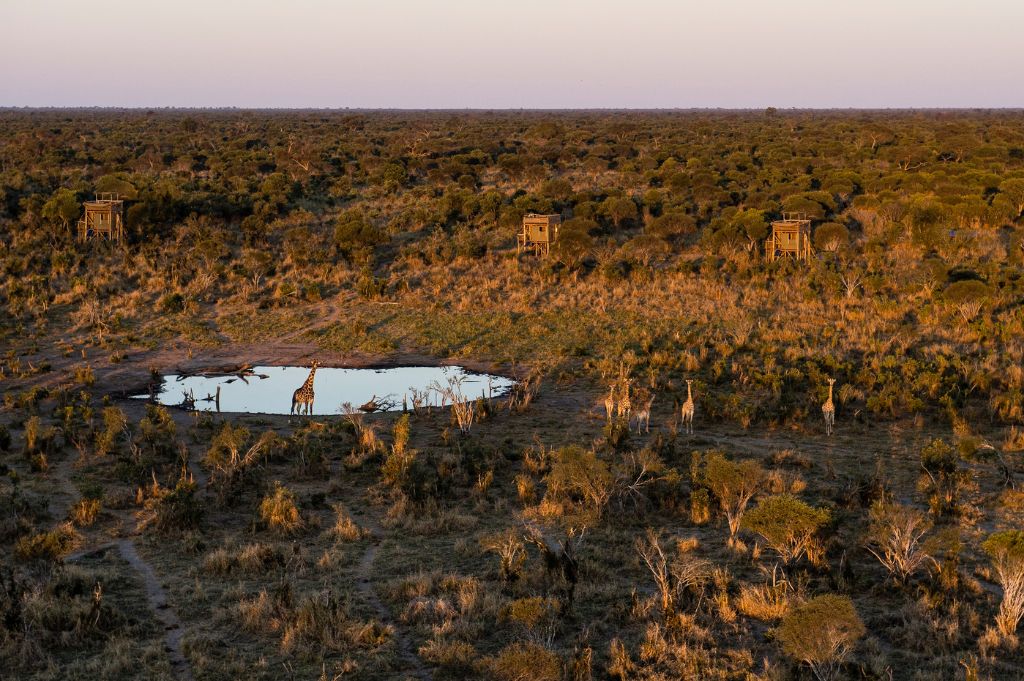
Moremi
South of KPR, in the southeastern area of Moremi Game Reserve is Tawana. There’s a certain magic here. You’ll see Botswana’s biggest names – lion, elephant, giraffe and zebra, but the supporting cast of harder to find species is equally impressive. This is an excellent area for cheetah as well as true obscurities such as aardwolf and pangolin, both of which are regularly seen here. The area is one of Botswana’s strongholds for endangered African wild dogs. Moremi is one of Africa’s premier safari destinations with year round wildlife activity. Tawana is an expansive and environmentally considerate camp that immerses you in one of the greatest wilderness areas on earth.
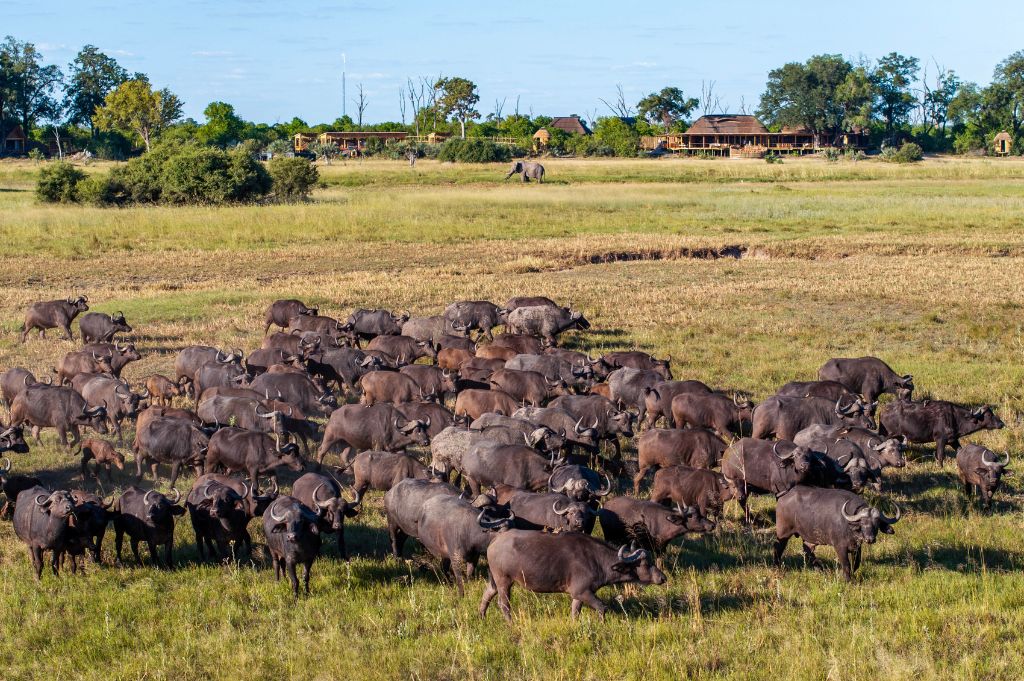
Xudum
Over to the west is the Xudum concession where you’ll find Mokolwane and the upcoming Mokolwane Plains. Xudum is well known as the filming location for Big Cat 24/7 and Living with Leopards, and the dense riverine forest here supports numerous leopards, but what’s often overlooked are the wide, open plains which spill over with large herds of grazers such as zebra and wildebeest. Such herds inevitably draw predators into the area and there’s currently a mega-pride of lions here, numbering more than 50 individuals. There are just two camps in the 200,000 hectare reserve, offering absolute exclusivity in this remote wilderness. Mokolwane is a special little camp that’s big on adventure, stillness and solitude. Mokolwane Plains meanwhile will open in July 2027, bringing a stylish and contemporary under-canvas camp to this intimate wilderness.
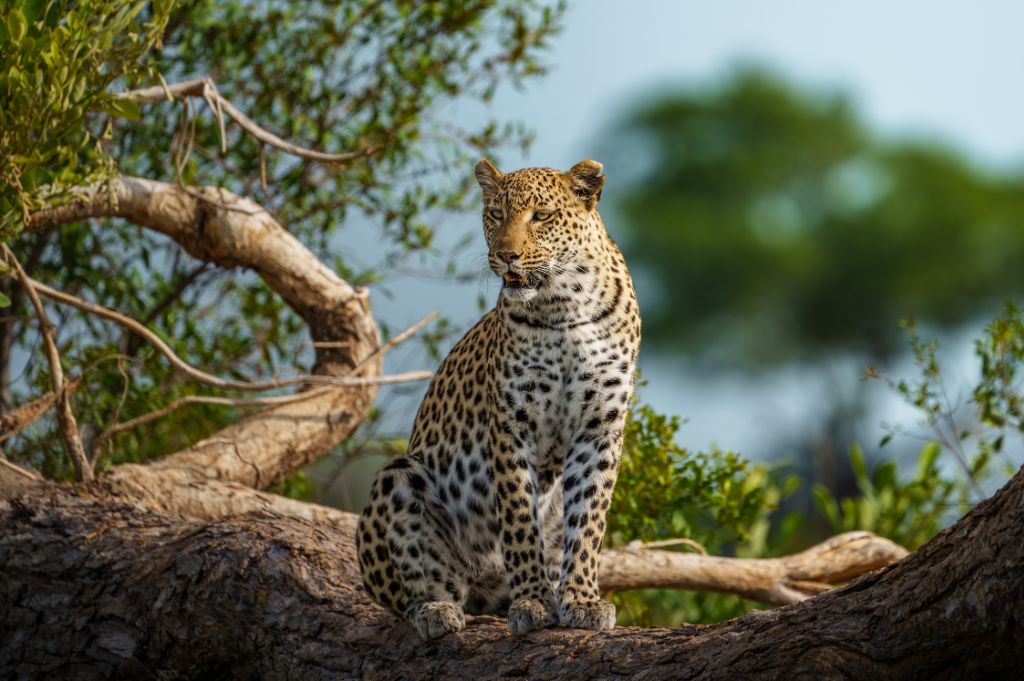
When people talk about Botswana as the ultimate safari destination – it’s not only the poster species, it’s also the wilderness, the real remoteness and the weird and wonderful connoisseur species that call this haven home.